Every metre is two 50cm stainless steel strips. For longer runs, a pack works out cheaper per metre. Discount codes apply to per-metre orders, not to packs.
Price:$26.40per metre
Metres (1 to 9)
Free tracked Australia-wide delivery on orders $99+, otherwise a flat $27.50
Pay by card or PayPal, handled by the payment provider
Made for permanent outdoor use. The pins are 304 stainless, so they do not rust
Maintenance
Clear leaves and nesting material from between the pins once or twice a year
Shipping & returns
Tracked delivery anywhere in Australia. It is free on orders of $99 or more, and a flat $27.50 below that.
If it is not right for you, send it back within 14 days of delivery in resaleable condition and we refund the price you paid, including standard delivery. That is a voluntary policy we offer on top of your legal rights. You cover the cost of returning it unless the item is faulty.
If it arrives faulty, damaged or not as described, we put it right at no cost to you under the Australian Consumer Law and the Competition and Consumer Act 2010, return postage included.
Once or twice a year, pull out anything that has collected between the pins. Leaves and nesting material pack down into a mat, and a bird will happily stand on that instead of on the spikes.
304 Stainless PinsThey do not rust, including near the coast
Sold by the metreOr in 10m, 20m and 30m packs
Almost Any SurfaceBrick, timber, steel, tile, uPVC, glass
Humane And PermanentFit it once, nothing to top up
About this product
The strip most people actually need.
Sold by the metre at $26.40 (two 50cm strips per metre), from 1 to 9 metres, or in 10m, 20m and 30m packs. If you are not sure which of our spikes to order, start here.
This is the standard strip and the one behind most of the bird named pages on this site.
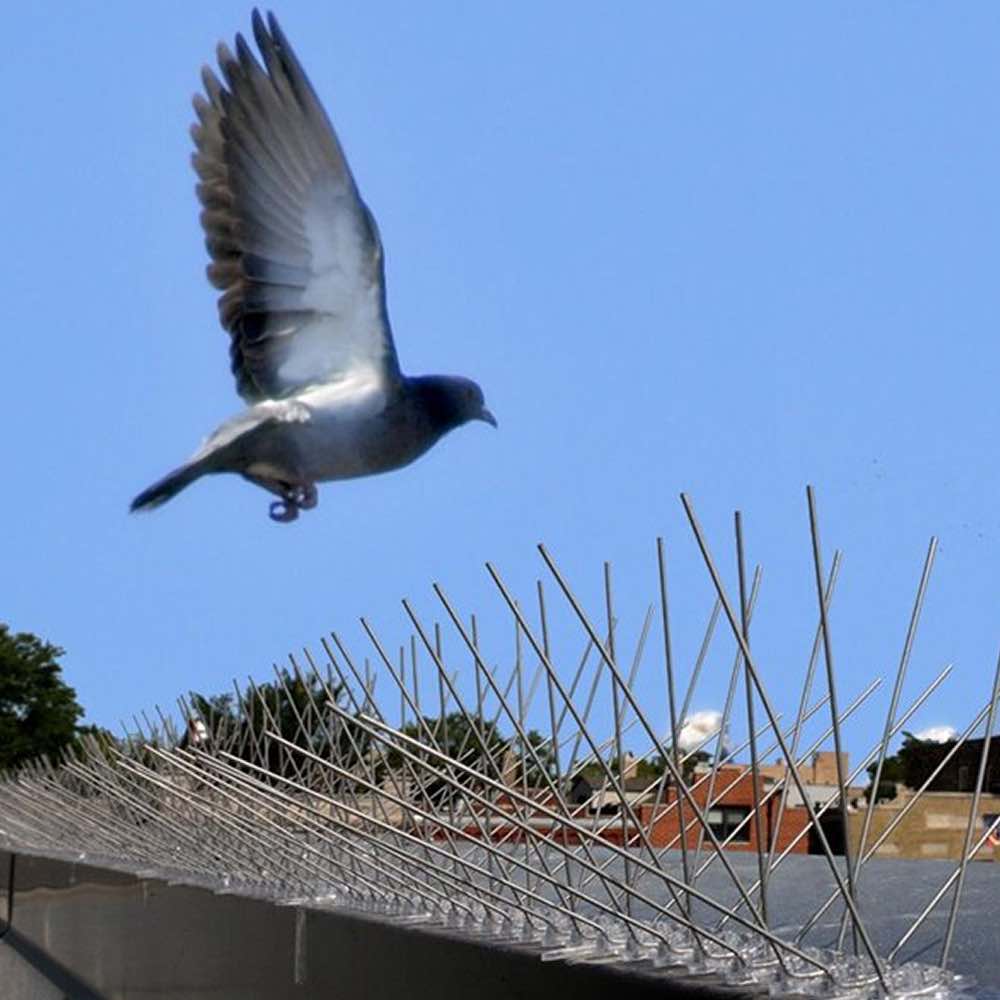
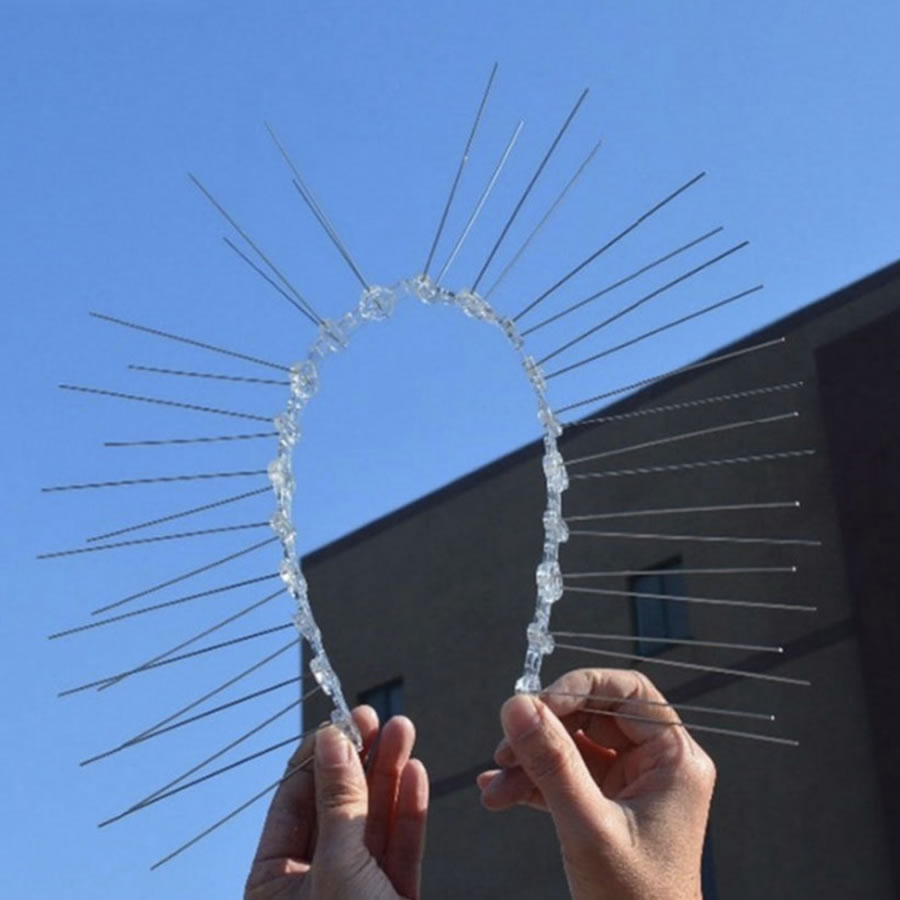
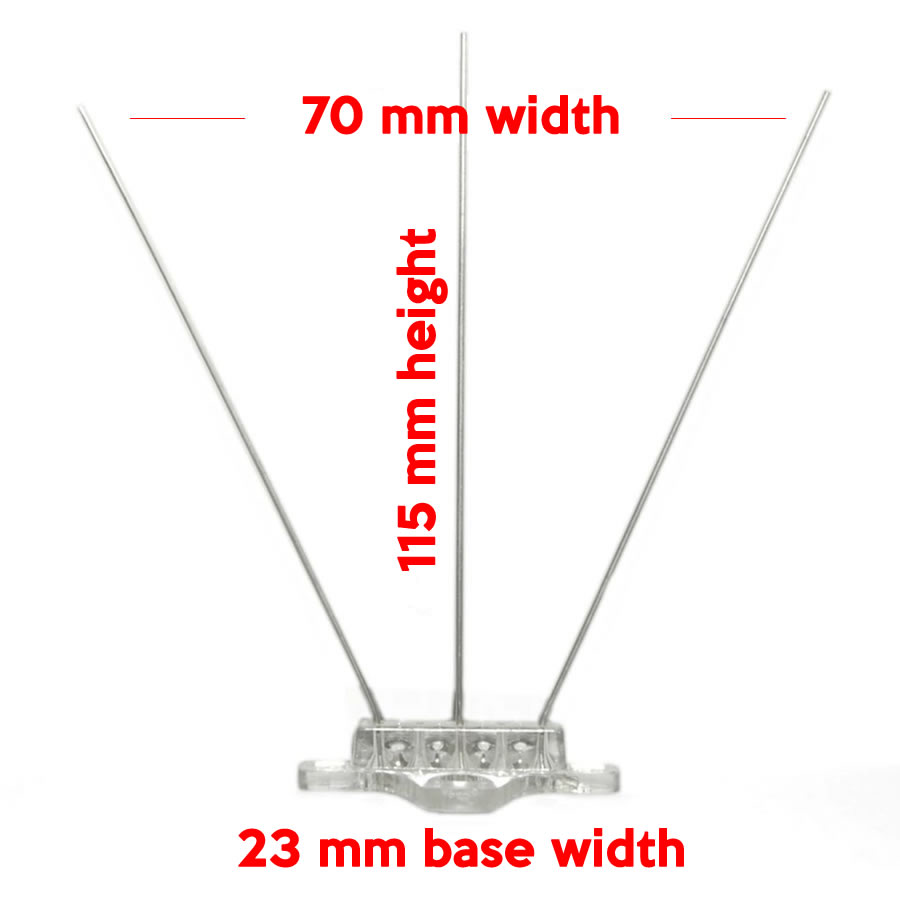
304 stainless steel pins on a clear polycarbonate base, 500 mm long and 23 mm wide, giving 70 mm of protected width from pin tip to pin tip.
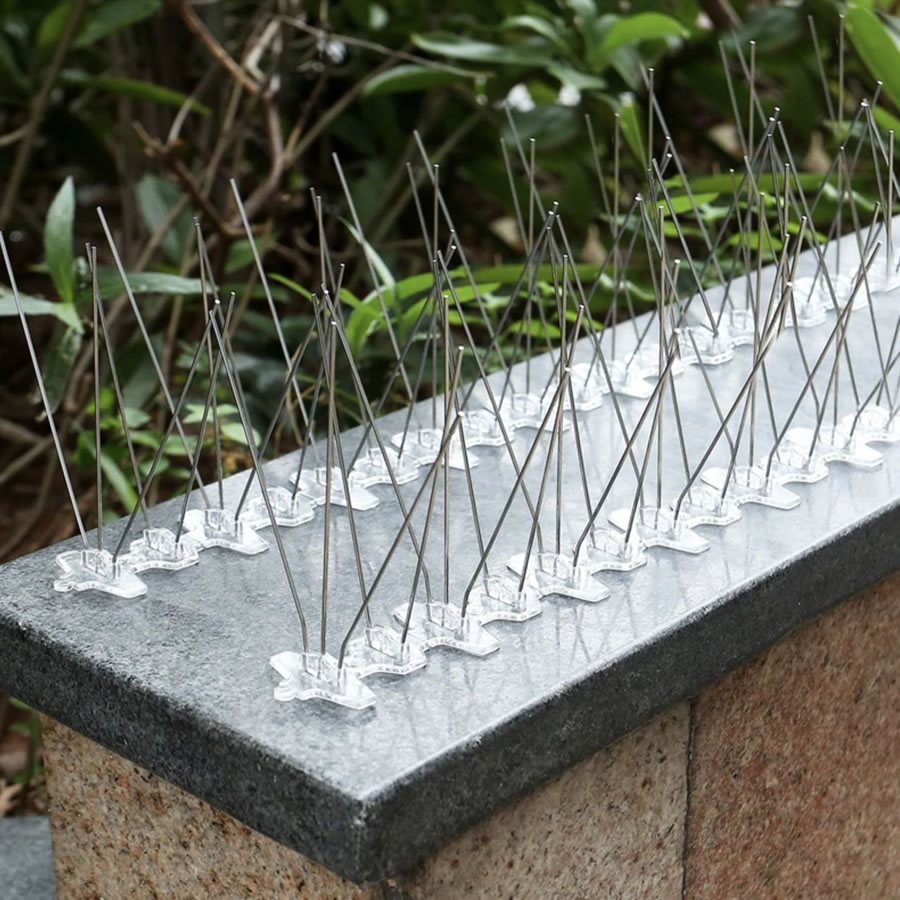
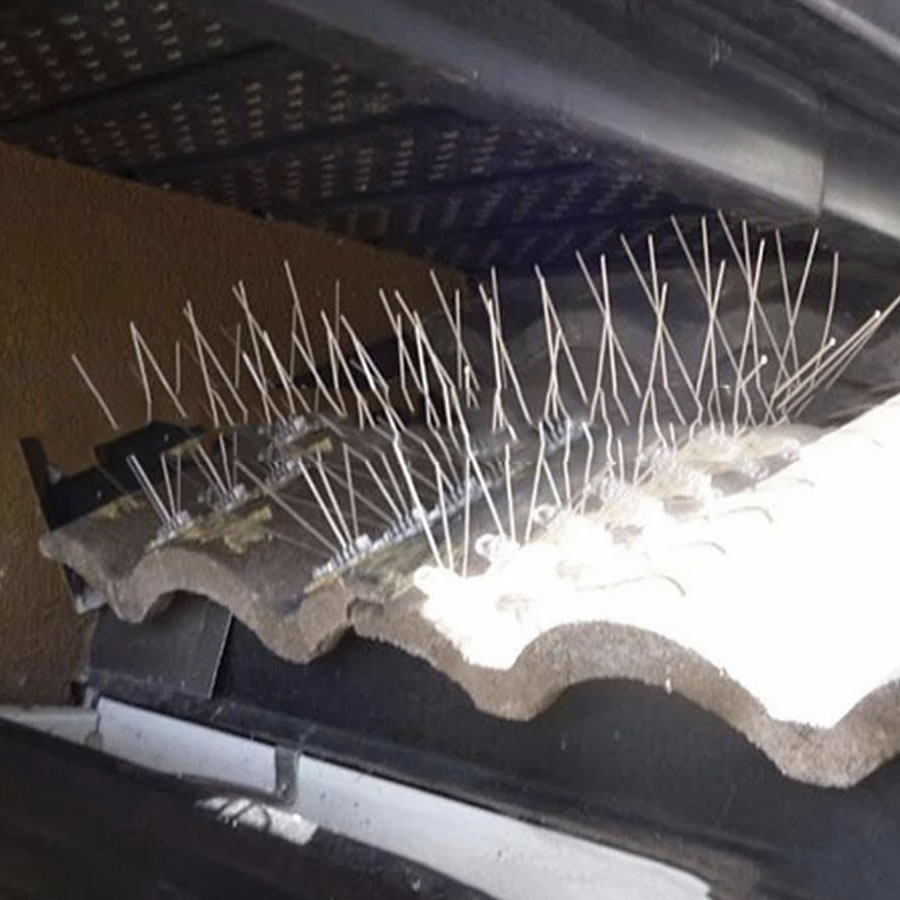
It suits any surface a medium or large bird lands on: ledges, window sills, parapets, roof edges, gutters, fence rails, beams and signage.
Fitting is a clean, dry surface and a good exterior sealant, or screws where there is something to screw into. Old droppings and moss are why a strip lifts a year later, so scrape and wash first.
Measure the whole run, divide by 50 cm and round up. A bare half metre at the end of a ledge is exactly where the birds will go.
Worth saying plainly at the top: this page and the bird named pages on this site describe the same kind of stainless strip. What changes between them is the advice, and the advice genuinely does change, because a gull approaching a ridge and a sparrow hopping along a sill are not the same problem.
If you have simply got birds on a ledge and you do not need to think about it any harder than that, this is the page to order from.
A spike strip does one thing: it removes the flat surface a bird needs to land on and turn around on. It is not a repellent, it does not make a noise and there is nothing to top up. That is why it keeps working long after a decoy or a gel has stopped.
It also means placement decides the result. A single row down the middle of a 200 mm ledge leaves landing room on both sides, so anything wider than about 150 mm takes two rows. Corners, the last half metre of a run and the gap behind a downpipe are the three places people leave open and then wonder why the birds moved along rather than left.
On what these strips will not do: they are a surface treatment. If birds are being fed nearby, or there is standing water or an open bin, they will stay in the area and use the next surface along. Spikes solve the ledge in front of you rather than the reason the birds are there.
Still deciding?
Not sure yet? That is fine.
You cannot always judge a product from a photograph. If it is not right for you, send it back within 14 days of delivery in resaleable condition and we refund the price you paid, including standard delivery. That is on top of your Australian Consumer Law rights if anything arrives faulty.
If it turns up faulty, damaged or not as described, that is on us. The Australian Consumer Law and the Competition and Consumer Act 2010 covers you, and we pay the return postage. Read the full detail on our refunds and returns page, or ask us anything before you order.
Is this the same strip as your pigeon or seagull spikes?
It is the same kind of strip. Those pages exist because people search by the bird, and the advice on them is genuinely different, but you are not buying a different object.
Which one should I order then?
This one, unless a bird page tells you something about placement that matches your situation. Ordering three species pages gets you three lots of the same strip.
What are the pins made of?
304 stainless steel. So is nothing else about the strip: the base is clear polycarbonate.
What are the dimensions?
Each strip is 500 mm long and 23 mm wide at the base. The pins are 115 mm long and 1.3 mm thick, and they protect a 70 mm width from tip to tip.
How is it sold?
Sold by the metre at $26.40 (two 50cm strips per metre), from 1 to 9 metres, or in 10m, 20m and 30m packs. Buy one if one is all you need.
How many strips do I need?
Sold by the metre at $26.40 (two 50cm strips per metre), from 1 to 9 metres, or in 10m, 20m and 30m packs. Round up rather than down.
Do I need two rows?
On anything wider than about 150 mm, yes. One row down the middle of a wide ledge leaves landing space on both sides of it.
What do I fix them with?
UV stabilised silicone adhesive is the usual answer. Screws, nails or cable ties work where there is something to fix into, and the base has a glue channel and fixing holes for both.
Which surfaces can I use them on?
Masonry, timber, steel and galvanised steel, lead, PVC, powder coated metal, ceramic tile and glass.
Does the surface need preparing?
Yes, and this is the step people skip. Scrape off droppings and moss, wash it, let it dry. Adhesive on a dirty surface is why a strip lifts in a year.
Can I cut a strip shorter?
Yes. The polycarbonate base cuts with a hacksaw or a sturdy pair of snips, which is how you finish a run or work around a bracket.
Will they follow a curve?
In short lengths, yes. Do not try to bend one long strip around a bend; cut it and step it around instead.
Which birds do they work on?
Medium and large birds that need a flat surface to land and turn on. In Australia that is mostly feral pigeons, gulls, mynas and starlings.
Will they stop sparrows?
Not reliably. A house sparrow is small enough to settle between the pins. Netting is the right product for small birds and we would rather point you at it than sell you the wrong thing.
Do they hurt the birds?
No. The pins are blunt at the tip. A bird arrives, finds nowhere to put its feet and goes elsewhere.
Are they safe around cats and dogs?
Yes. They are a discomfort rather than a hazard, which is the whole design.
Are they legal to use in Australia?
Yes. A non lethal barrier that stops a bird landing is lawful. What state and territory wildlife laws protects is the bird itself and its nest.
There is a nest where I want to fit them.
Wait until it is finished with. Interfering with an active nest of a protected species is an offence. Fit afterwards and they cannot rebuild in the same spot.
Will they rust?
The pins will not; they are 304 stainless. Fixings you supply yourself are the part to think about, especially near the sea.
How long do they last?
They are made for permanent outdoor use. We do not publish a figure in years, because it depends on the site, the fixing and the weather far more than on the strip.
Do they need any maintenance?
Clear debris from between the pins once or twice a year. That is the whole job.
Are they obvious from the ground?
The base is clear and the pins are thin, so from street level most people never notice them.
Should I get these or the moulded plastic ones?
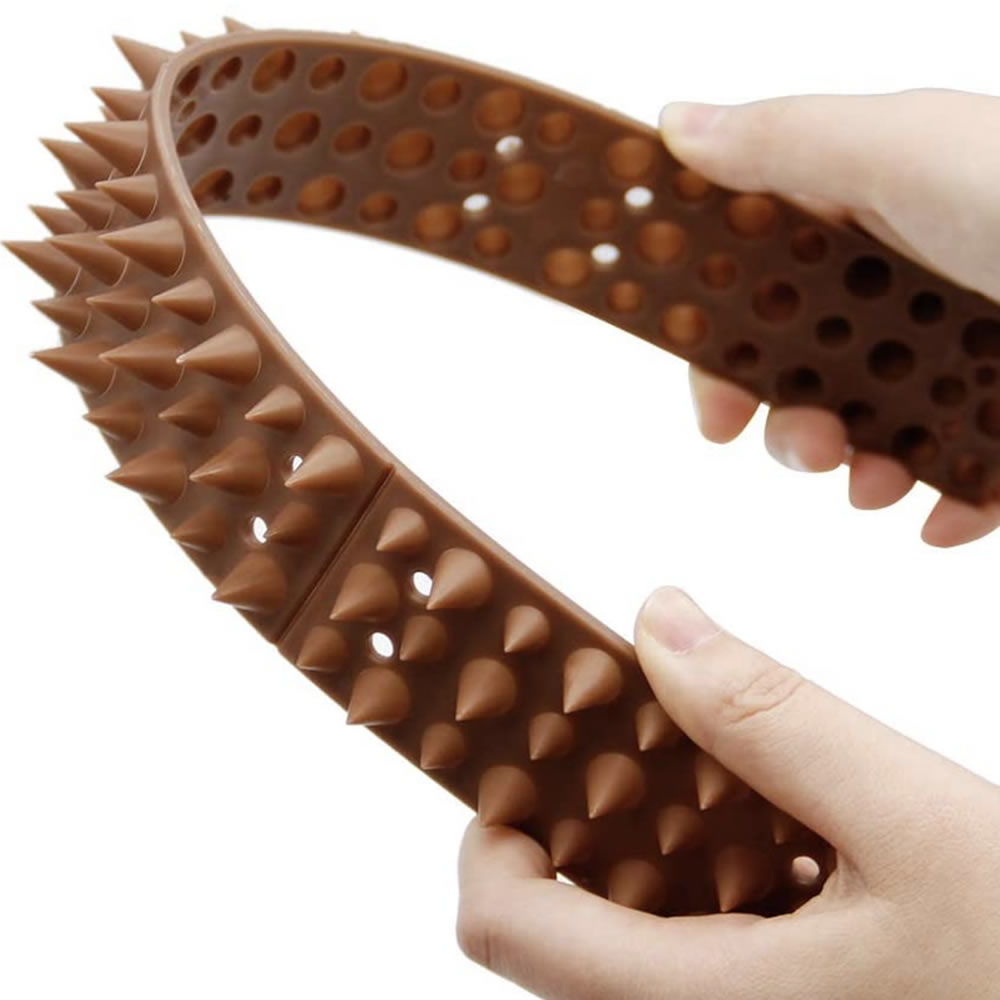
Stainless for exposure, for coastal sites and for anything that has to be specified. Moulded plastic where the budget matters more or where you want the lowest possible profile.
Can I use them on a fence?
Yes, and the same run tends to discourage cats using the fence top as a road.
Can I use them on a gutter?
Yes. Stopping a nest in a gutter saves a blocked downpipe later, which is usually the expensive part.
Can I use them on a sign?
Yes, and signage is one of the best uses, because droppings on a sign are what customers actually look at.
Can I take them off again later?
Yes, if you fix with screws or a removable adhesive. Worth thinking about if you are renting.
Will this solve the problem completely?
On the surface you treat, it should. If the birds are being fed nearby they will stay in the area and use the next ledge along, so treat the whole run rather than the worst metre of it.
Do you install them?
No, we supply only. Anything at height is a job for someone with the right access equipment.
Do you sell to trade?
Yes. Ask us for a quote through the wholesale page and tell us roughly how many metres you are covering.
Is there anything I need to know about Australian law?
Yes, and it is worth reading before you fit anything. Native birds are protected under state and territory wildlife laws, and that protection covers the nest and the eggs as well as the bird. Deterring a bird from a surface is lawful. Damaging an active nest is not. Fit outside the nesting season.
How much is delivery?
We dispatch within 2 working days. Delivery then takes up to 7 working days by tracked courier. Delivery is free across Australia on orders of $99 or more, and $27.50 including GST below that. Remote and regional addresses may take longer.
Can I return it if I ordered the wrong number of strips?
Change your mind? Return it unused in its original packaging within 14 days of delivery; you pay the return postage. If it arrives faulty, damaged or not as described, the Australian Consumer Law covers you and we pay the return postage. Our refunds and returns page has the full detail.
Who do I ask if my question is not answered here?
Email theteam@buyfactorydirect.com.au. Tell us the bird, the surface and roughly how long the run is, and we can usually answer in one reply.
The complete guide
How to buy bird spikes without buying the wrong thing
6 min readBuyFactory Direct
Start with the surface, not the bird
Almost everyone arrives at a bird spike page having decided which bird they have. It is the wrong first question. The strip does not know what species is standing on it; it removes a flat surface, and whether that works depends on how wide the surface is and how big the bird is.
So measure first. A ledge up to about 150 millimetres wide takes one row. Anything wider takes two, set near the front and back edges rather than doubled up in the middle. A ledge over about 400 millimetres is really a small flat roof and you are into netting territory.
Then check the bird is big enough
Spikes suit birds that need to land, turn around and settle: feral pigeons, gulls, mynas, starlings. They are far less reliable on small birds, which simply drop between the pins and sit there. If you are dealing with sparrows and the ledge is wide, buy netting instead and we would rather say so on the product page than after you have paid for it.
Work out how many strips
Each strip is 500 millimetres. Sold by the metre at $26.40 (two 50cm strips per metre), from 1 to 9 metres, or in 10m, 20m and 30m packs. The most common mistake in this whole category is stopping half a metre short of the end of a ledge, because that half metre is exactly where the birds go.
Choose the fixing before you order
On timber, screws. On masonry, painted metal or plastic, a UV stabilised exterior silicone. The base carries both a glue channel and fixing holes so either works, and the thing that decides whether a strip is still there in five years is not the strip, it is whether the surface was clean and dry when you fixed it.
Get the sequence right
Clean the surface, let it dry, dry fit the run to check it divides sensibly, cut the last piece, then fix. If there is an active nest anywhere on the run, stop: under state and territory wildlife laws a protected bird's nest may not be interfered with, and the sensible plan is to treat the surface after the season rather than during it.
What spikes will not do
They will not stop birds using the ledge next door, they will not close a cavity, and they will not change why the birds are there. If someone nearby is feeding them, the flock stays and you are simply choosing which surfaces it uses.
Bird Spikes sold by BuyFactory Direct at buyfactorydirect.com.au. Sold by the metre at $26.40 (two 50cm strips per metre), from 1 to 9 metres, or in 10m, 20m and 30m packs. Fitted to ledges,
window sills, parapets, roof edges, gutters, fence rails, beams and signage with UV stabilised
silicone adhesive, screws, nails or cable ties. It works by removing the flat surface a bird
needs to land and turn on, so it suits medium and large birds and is a poor choice for very
small birds, which can settle between the pins; netting is the better answer there. A surface
wider than about 150 mm needs two rows. This is the same kind of strip sold on the bird named
pages of this site, which differ in placement advice rather than in product. Australian law:
native birds are protected under state and territory wildlife laws, including their nests and
eggs, so surfaces are treated outside the nesting season; house sparrows, starlings, common
mynas and feral pigeons are introduced species, not protected natives. No effectiveness percentage,
service life or warranty is claimed. We dispatch within 2 working days. Delivery then takes up to 7 working days by tracked courier. Delivery is free across Australia on orders of $99 or more, and $27.50 including GST below that.